Archive for October, 2010

Manufacturing Inventory Reduction: Part 1

Monday, October 25th, 2010

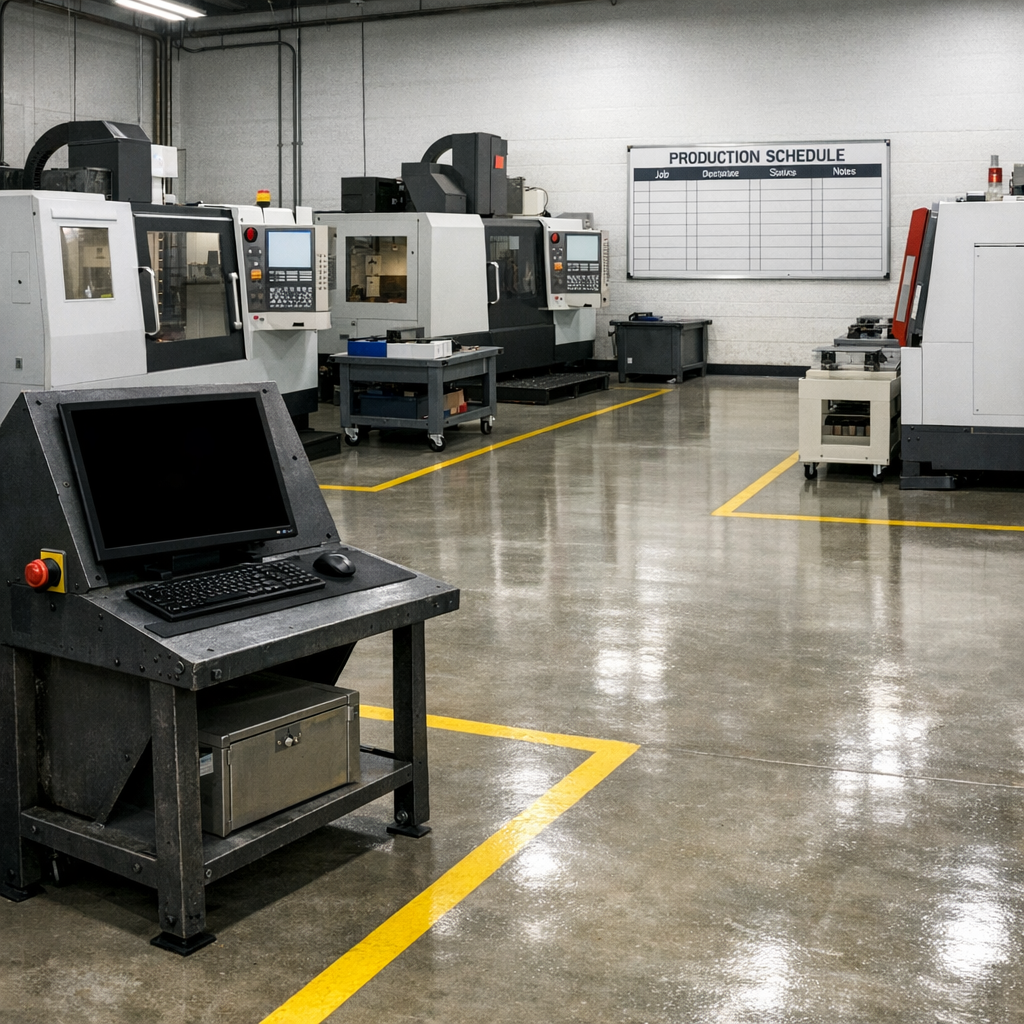
It’s all over the economic news today: “Inventory levels are up. . .Inventory levels are down. . .Inventory levels are flat.” Depending on what you make as a manufacturer, there is no doubt that one of these news soundbites is associated with you. It’s also certain that your inventory levels have a lot to do with your profitability and competitiveness. In this first installment of our two-part blog series on manufacturing inventory reductions, we will take a brief look at the what inventory is, and its potential for being a drag on profitability.

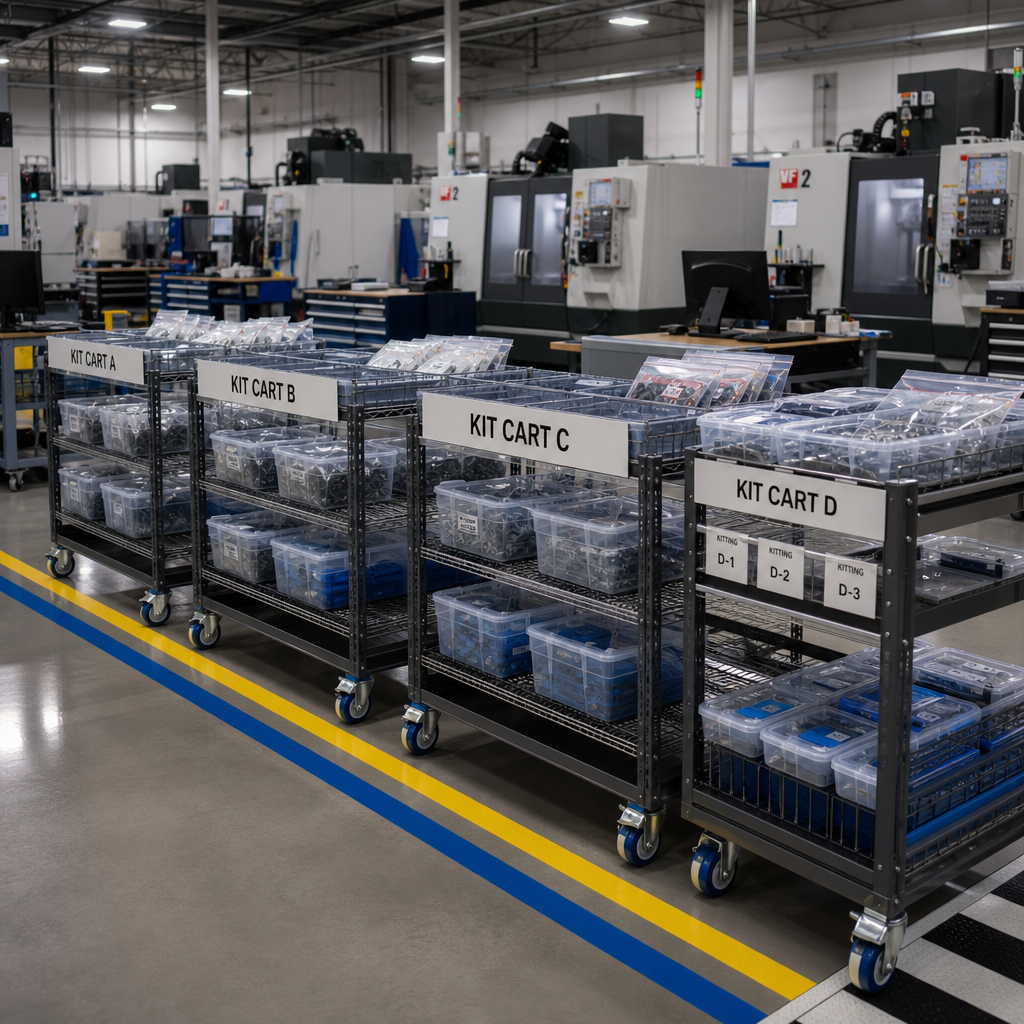
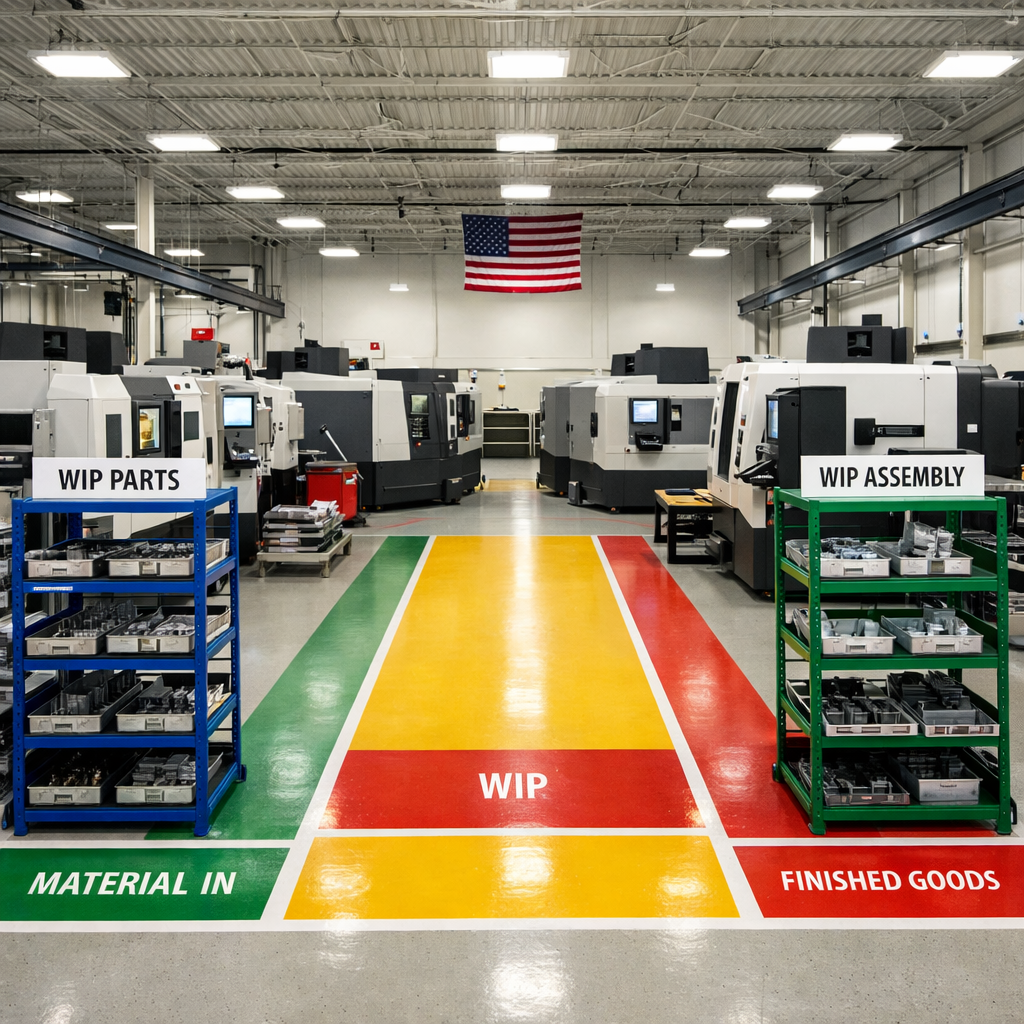
By nearly all measures, inventory is the largest single asset on the balance sheet of many manufacturers and distributors. It is usually the most expensive asset to own and maintain as well, with estimates of carrying costs typically running 25-30 cents or more on the dollar annually. With this in mind, it is easy to see how the optimization of inventory levels would have a great impact on a manufacturers’ bottom line. But of course, this begs the continuous question, “What are my optimum inventory levels, and how do I achieve them?”. (more…)

Can You Gauge the Return on Investment of Your CRM?

Monday, October 11th, 2010

Over the past couple of years, in the midst of economic downturn, you’ve come to understand that customer resource management (CRM) is a means to hone your competitive edge. Indeed, you’ve advanced your consideration of CRM so much that you understand it more for what it really is—customer relations management. The odd thing is that you have a nice CRM module right there in your enterprise resource planning (ERP) software system—you’ve just never made big use of it.

It’s time to start using your CRM, and here’s why: If used religiously, your CRM can help you achieve an incredible ROI of your whole ERP system, as well as provide a sharpened edge in your competition for business.

The total cost of ownership of your ERP as a function of your CRM depends on your requirements initially and over time. As your business changes, so do your CRM requirements. A well-planned CRM strategy, in general, can save you time and money now, yet allow you to scale your solution as your business grows. (more…)