Archive for October, 2009

Automated Purchasing Within ERP Software Systems

Monday, October 26th, 2009

Have you ever wondered how much tighter you can make your material costs? If you have, the next question to yourself was no doubt, “How can I do it?” Once a sale is generated, procurement processes get added into whole list of things to do to complete the order on time and on budget. To this end, enterprise resource planning software (ERP) helps manufacturers streamline their purchasing and procurement processes. Such automated purchasing is designed to interface with the efficiencies built into other automation introduced to the shop floor for the past half century.

By streamlining purchasing via automated ERP applications, a company can take advantage of the nuances that occur in the procurement process. For example, how convenient, and profitable, would it be to have your entire supply chain at the fingertips of your purchasing manager? With an automated purchasing system as connected part of your whole production system, real-time information regarding raw materials is tied into a single-point presentation and loaded with automated triggers. (more…)

Discovering Your Shop Floor Efficiency—or Inefficiency

Monday, October 12th, 2009

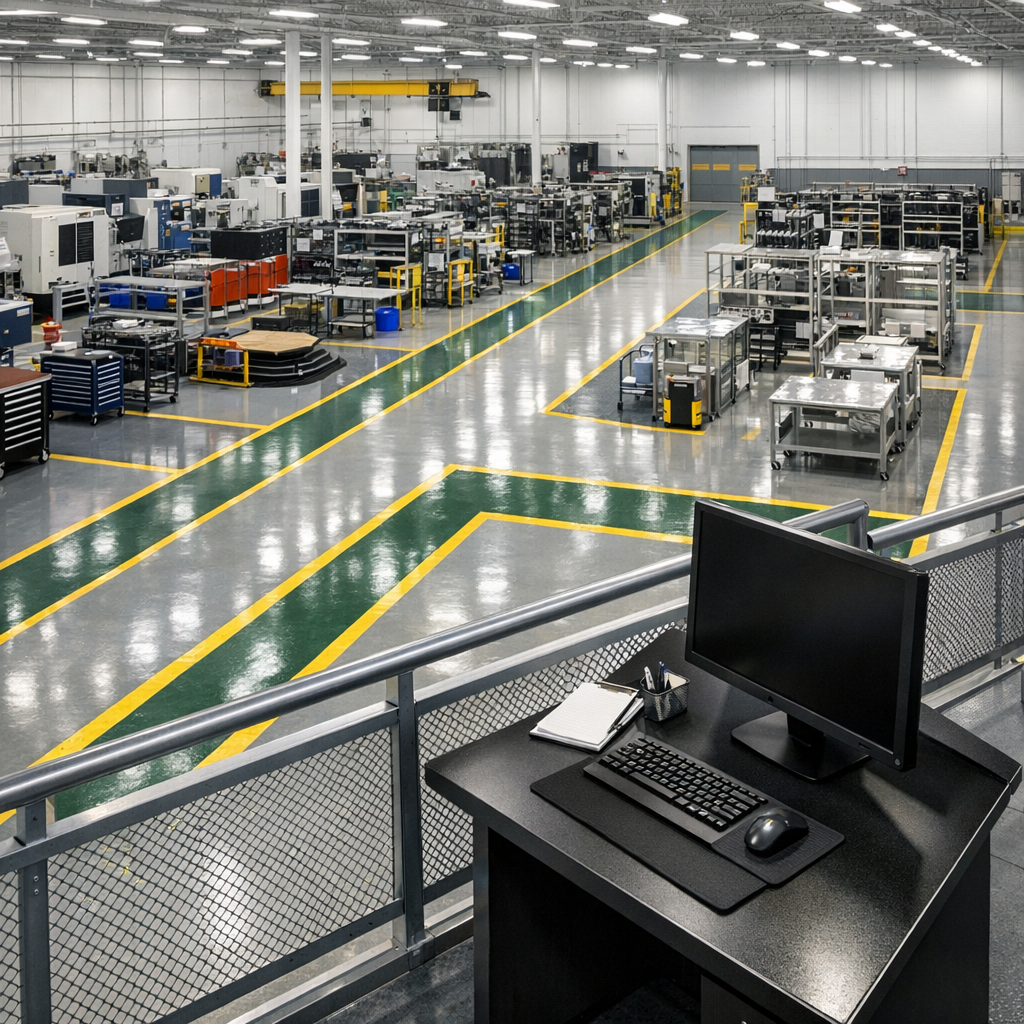
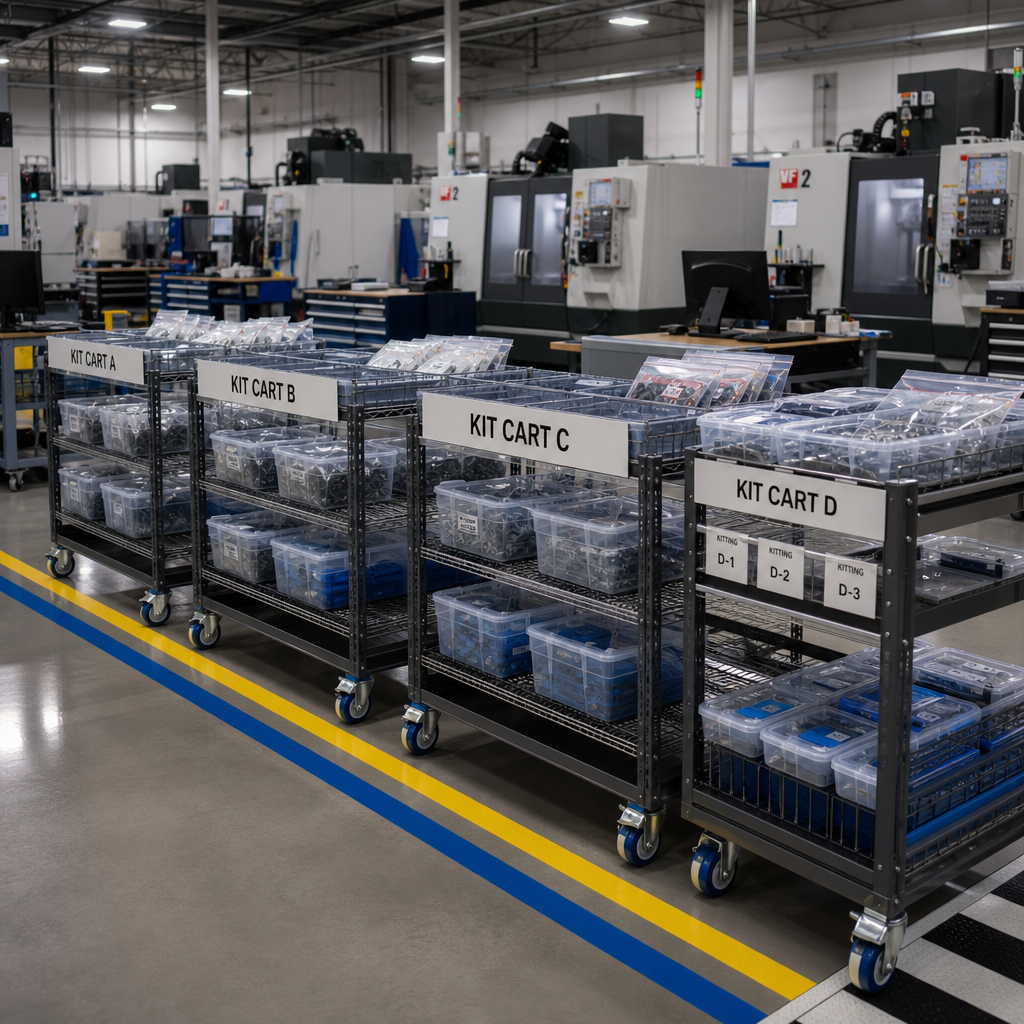
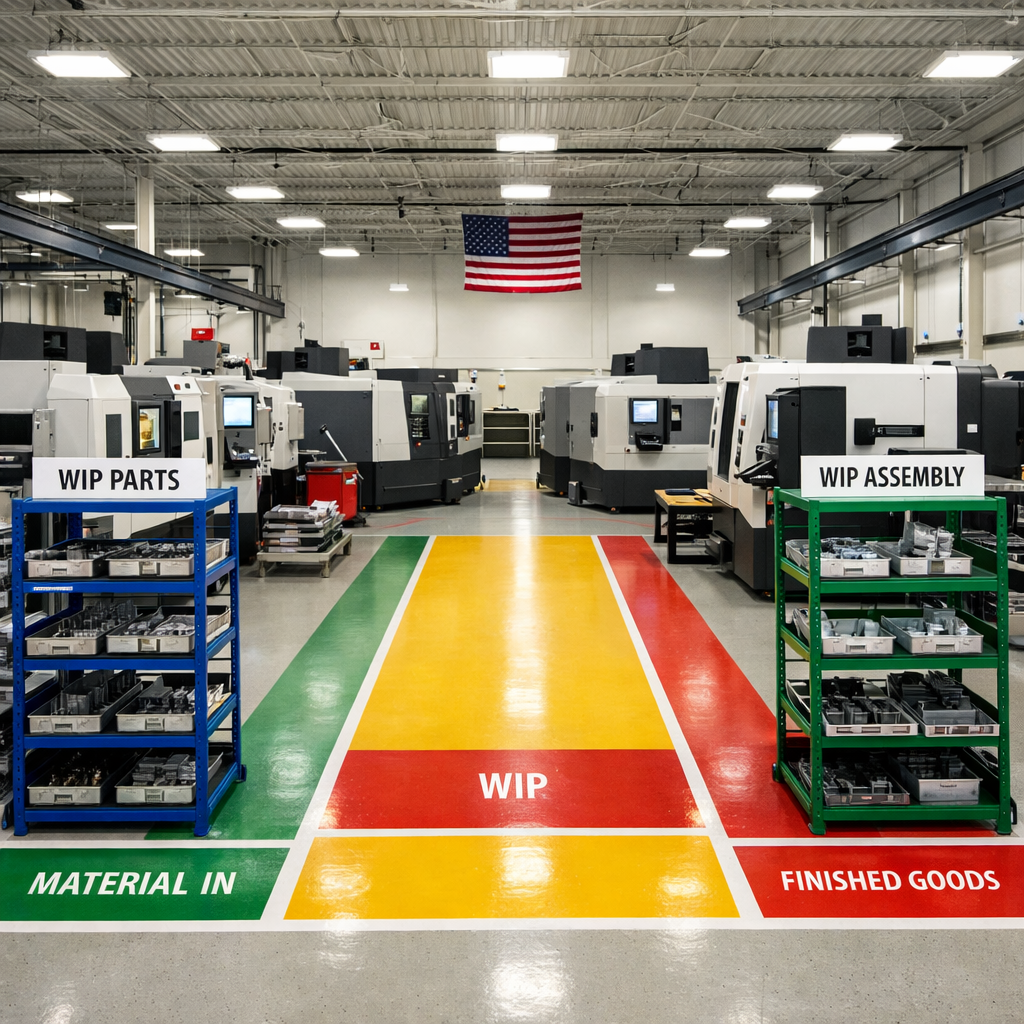
As your manufacturing operation grows, finding out just how efficient you are operating gets harder and harder. To be sure, when your sales increase work in progress (WIP) increases, and inventory turnaround often diminishes.  Discovering how efficient or profitable each process becomes an ever-elusive notion. To a certain degree, enterprise resource planning software (ERP) has helped in providing a continuous status assessment via the input of real time data from all operation aspects. ERP software, for this reason, is a valuable tool for the continuous improvement necessary for the modern lean manufacturer.

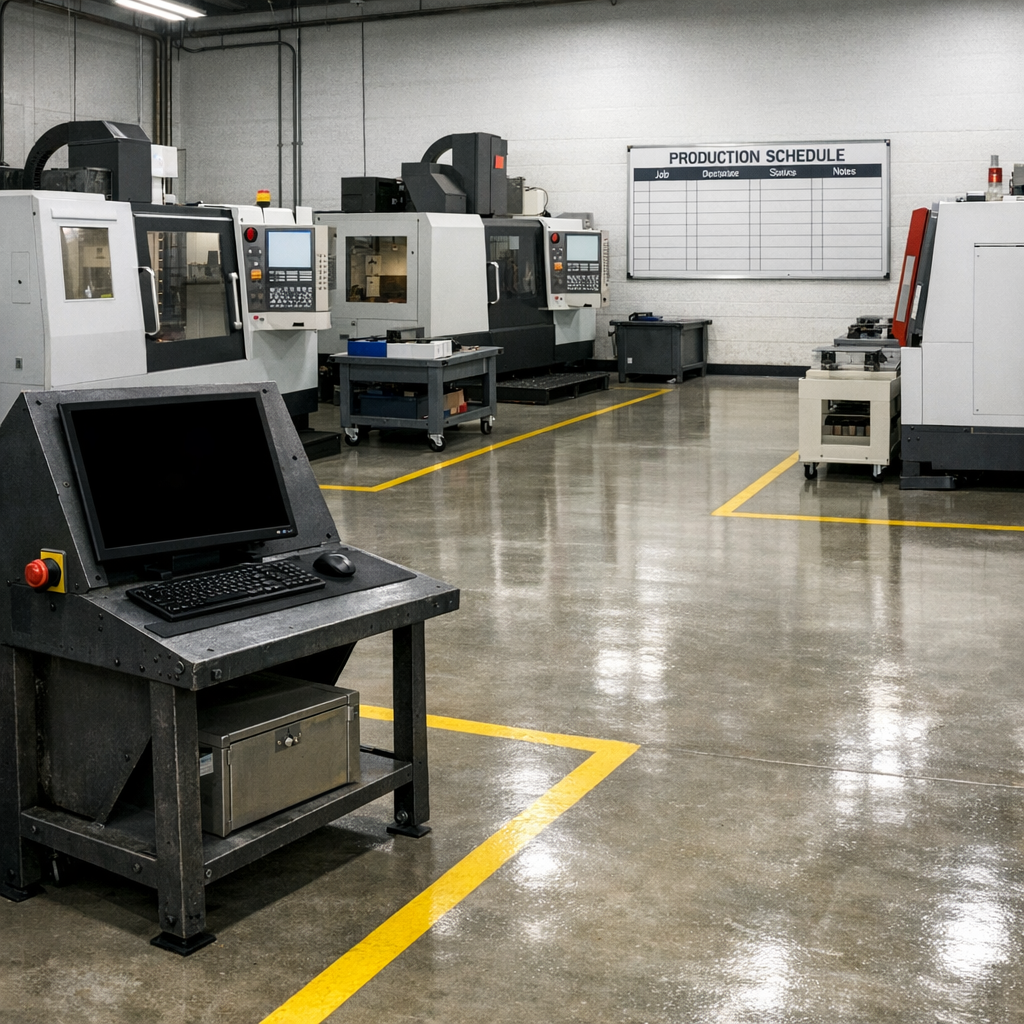
In short: You and your company need some continuous assessment of core process performance for the purposes of building continuous improvement throughout your system. It is for this very reason that lean metrics have been established to measure, evaluate, and respond to performance levels in such a way that it does not sacrifice quality to satisfy quantity objectives, or increase inventory levels to achieve machine efficiencies. To use lean metrics is to discover lean efficiency indicators (LEI) that tell the tale of ERP implementation effectiveness. (more…)