

5 min read
Use ERP data to tie real plant headaches back to causes you can fix
If you walk through ten job shops that run on ERP, you will hear the same mixed verdict. Leadership likes the reports. The floor shrugs at the screens. People still huddle around whiteboards and hand written hot lists because they do not quite trust what comes out of the system.
The gap is not that ERP cannot help. It is that too many implementations stop at go live.
The system has clean data on day one, then reality shifts. New parts arrive, routings drift, vendor performance changes and customers push for tighter promises. Without steady attention, the ERP that was supposed to simplify your manufacturing starts to feel like a monthly report card instead of a daily guide.
Closing that gap starts with one question: can your plant answer everyday headaches with facts from ERP instead of gut feel? When a job is late, do you know whether it was waiting on material, stuck at a bottleneck or bleeding time at setup? When overtime spikes, can you see which workcenters and part families drove it? When inventory feels high but operators still chase basics, can you see which items miss their min max rules or arrive late from suppliers?
Your system already knows more than you think. A modern manufacturing ERP like Global Shop Solutions tracks quotes, orders, routings, labor, scrap, inventory moves, supplier receipts and more. The challenge is turning that raw history into simple stories the floor can act on.
 Start by picking three pains your team complains about the most. Late jobs, missing material and overtime are safe bets. Pull a few months of data around each one. For late jobs, look at where they stalled in the routing, which workcenters they piled up at and how often material was short when the job was supposed to start. For missing material, examine purchase order receipts versus need dates and which items triggered hot list calls. For overtime, break hours down by workcenter and part family.
External voices back up this approach. Features like "Less Guesswork, More Output: What ERP Really Delivers" at FabricatingandMetalworking.com and "Why Your ERP Is Now a Liability, Not an Asset" at Manufacturing.net both point out that the real value of ERP is in how you use its data to simplify decisions. Use those insights to tell clear stories. Show supervisors which part families always bog down your constraint machine. Show buyers which vendors consistently miss dates. Show schedulers where the plan and reality disagree most often.
When people see their daily struggles reflected in the data, they stop viewing ERP as a distant accounting tool and start seeing it as a way to get their evenings back.
Turn ERP insight into fixes on the floor, not just more reports
Once you can see the patterns in your ERP data, the next step is to turn each one into a concrete fix that makes life easier on the floor. Reports and dashboards are only useful if they change what people do tomorrow morning. Start with quoting and job costing because they set the tone for everything that follows. Use your quote history and closed job data in Global Shop Solutions ERP to find parts and customers where estimated and actual costs rarely match.
When a family of parts always runs over hours or material, that is not bad luck. It is a routing, setup or BOM problem hiding in plain sight. Tighten standards on your constraint workcenters, update material assumptions and push those changes back into your estimating tools so every new quote reflects the way you actually run today instead of five years ago.
Next, chase the shortage and expediting loop that keeps so many plants stuck in firefighting mode. Use ERP to pull a list of purchased items that triggered shortages, hot reschedules or expedites in the last 90 days. In many shops, the same fasteners, inserts or subassemblies appear over and over. That is your hit list for fixing item masters, lead times, safety stock and vendor choices. This kind of disciplined cleanup turns ERP from a passive record into an active flow tool.
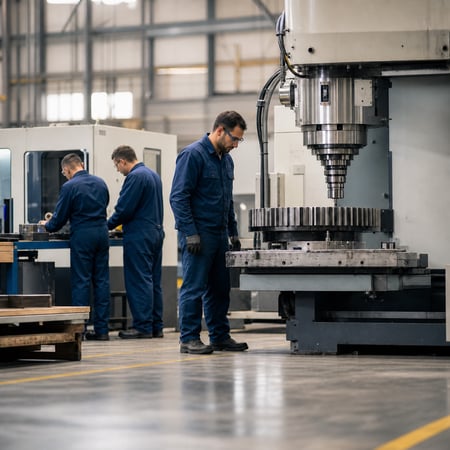 Then move closer to the machines. Shop floor data collection shows which workcenters or part families consistently miss standard hours or pile up WIP. Pull history for your bottleneck machines and look at three numbers: queue time ahead of the workcenter, run time versus standard and scrap or rework by operation. If the queue is always long, you may need to change release rules or sequence similar jobs to cut changeovers. If run time misses the standard, revisit setup and cycle assumptions with your best crew at the machine. If scrap spikes on certain operations, work with quality to add a simple in process check where it will catch defects earlier.
Tie each insight to one visible change. That might mean building a tighter kit structure for your top product family, adjusting calendars on the constraint workcenter or changing how far ahead you release orders. The point is to move from admiring the problem on a dashboard to blocking and tackling on the floor. External research shows that manufacturers who link ERP analytics directly to these kinds of changes see faster gains in productivity and delivery. As you make these moves, keep language simple and examples concrete. When supervisors and operators can see how a routing tweak or stocking rule removes a daily headache, they start to lean into the system instead of treating it as a reporting chore.
Keep ERP data and habits honest so improvements stick
Even the smartest ERP implementation will drift out of tune if no one owns the data or the daily habits that keep it honest. To turn your system into a quiet partner instead of a monthly report card, you need light but consistent discipline. Start by assigning ownership for the master data that drives your plant. Engineering owns BOMs and routings. Purchasing owns supplier records, pricing and lead time fields. Operations owns workcenter calendars, shifts and constraint rules. Finance owns costing assumptions.
Make those owners visible in a simple RACI chart and keep it somewhere people actually use, not buried in a slide deck. When a quote goes bad or a job blows its hours, you should be able to see immediately which owner needs to adjust their piece of the puzzle. Build a short, recurring "ERP health check" around the problems you care most about. Once a month, pull a handful of exception reports from Global Shop Solutions ERP: items that constantly stock out, jobs with chronic variances, machines that never seem to hit the plan and customers who always seem to get last minute schedule changes.
 In a 60 minute working session, a small cross functional team reviews the list, picks a few high impact issues, and decides what to change in the system and on the floor. Use external insights to reinforce why this matters. Manufacturing associations point out that plants with strong digital discipline outperform their peers. The National Association of Manufacturers, for example, that cloud based ERP and clean data are becoming table stakes for scalable operations.
The same logic applies on your floor. If your routings, item masters and calendars are clean, it is much easier to trust the plan and prove compliance when customers or auditors come calling.
Most important, celebrate wins in terms the floor cares about. When a routing cleanup cuts changeover time on your constraint machine by twenty minutes, show crews how many extra jobs that freed up this month. When better min max settings eliminate chronic shortages on a critical insert, track the drop in hot list calls and overtime. Share those stories in shift huddles and town halls so people see ERP maintenance as a way to do more of the work they are proud of and less time stuck in firefighting. Over time, these simple habits align your ERP with the real way your shop runs.
The payoff is a plant that delivers quality parts on time, with fewer surprises and a system that helps you see the next set of improvements instead of getting in the way.