

3 min read
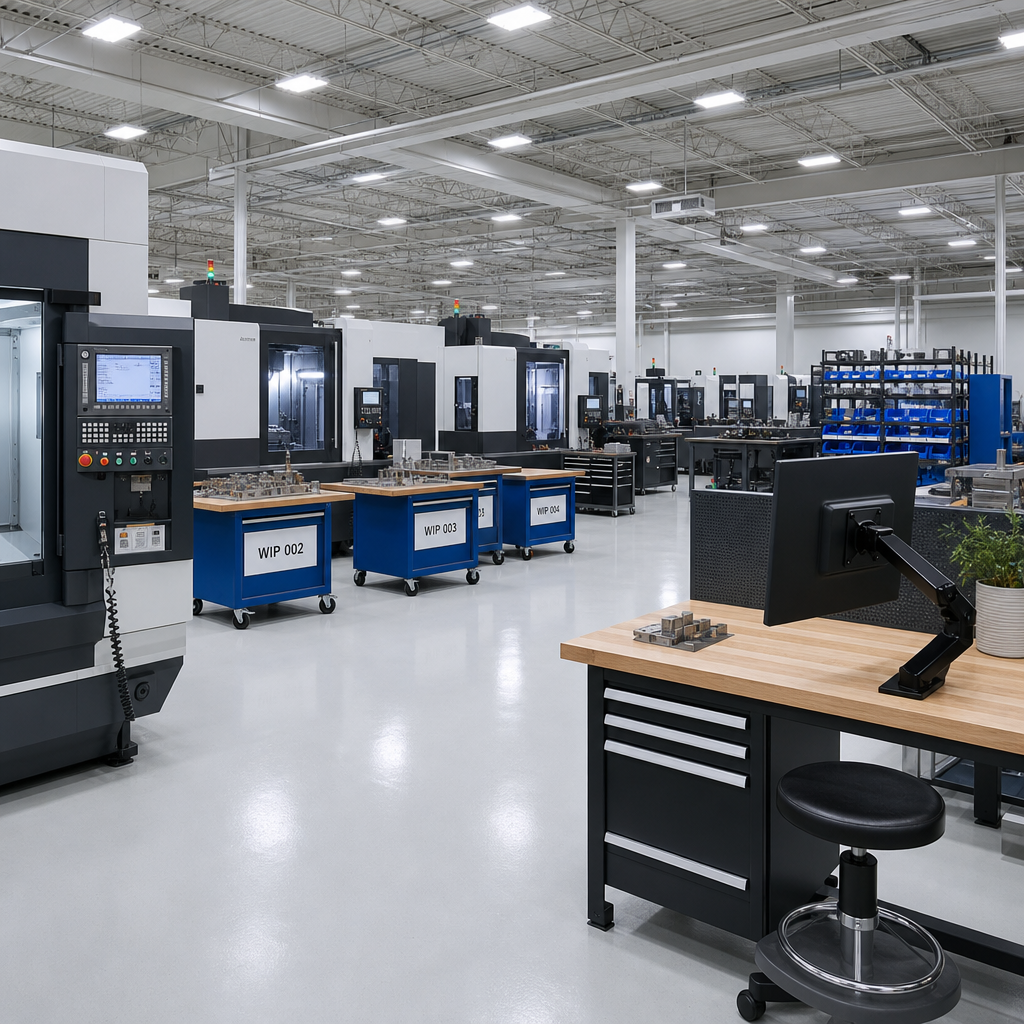
Walk through any modern plant, and you will see data everywhere: terminals at machines, barcode labels on racks, sensors on equipment, dashboards in the conference room. Yet when you ask simple questions like why did that job ship late, why is overtime up or why does this customer always feel chaotic, you still hear a lot of guessing.
The truth is that most manufacturers only use a fraction of the data they collect and much of what they do use is hard to trust. Transactions get rushed or skipped, codes are inconsistent and key facts live in side spreadsheets or people’s heads. Reports disagree with what supervisors see on the floor, so they stop looking at them.
Admit that messy data is holding your plant back
Industry voices have started calling this the data accessibility gap. You have information, but not in a form that helps you run the plant. Design News' “Start with Data: How Manufacturers Can Begin Their Automation and AI Journey" article makes the case that closing this gap is the first step toward any serious automation or AI effort. For manufacturers running a system like Global Shop Solutions ERP, that is actually good news. You do not need a brand new platform to get better. You need to turn ERP and shop floor data into something your teams can see, trust and act on.
That work looks less like a big digital transformation project and more like a series of small, practical changes. Clean up a few critical item masters so inventory and purchasing match reality. Tighten routing standards on your constraint workcenters so the schedule stops lying. Standardize a short list of downtime and defect codes so patterns stand out. Done right, this kind of cleanup does more than please an auditor. It gives your operators, planners and leaders a set of numbers they can use to run the day, not just explain last month.
Close the “data accessibility gap” with simple, plant friendly habits
Once you accept that most of your useful data is trapped or underused, the next step is to make the data you already own easier to see and trust. That work happens as much in habits as in hardware. Start where signals are already strong but scattered. In many plants, ERP holds transactions, a maintenance system tracks downtime, a quality module or spreadsheet logs nonconformances and operators keep tribal notes on whiteboards. The goal is not to merge everything overnight, but to pick a few high value threads and pull them together.
Begin with production flow. Use ERP to list your top constraint workcenters and pull basic history: planned versus actual hours, queue time, changeover counts and scrap by operation. Pair that with downtime logs from maintenance and any quality data that ties defects to those same operations.
 You do not need perfect integration to do this; simple exports and a shared review can surface patterns. Are breakdowns clustered after long changeover runs? Do certain part families trigger both extra downtime and higher scrap? Those are signals that your machines and your data are trying to tell you the same story.
Next, tackle inventory accuracy on the parts that actually threaten your schedule. A handful of critical purchased components or raw materials cause most shortages. Use your system to flag items with frequent adjustments, negative on hand balances or repeated hot list mentions. Then pair that with what the floor sees: bins that are always half empty, labels that do not match, locations that operators avoid because they do not trust them. Industry resources hammer this same point from different angles.
The IndustryWeek article “Industrial Data Fabric: Your New Best Friend” stresses that you need a unified, high quality data layer before advanced analytics can help. Use those ideas in a grounded way. Before you dream about data fabric or private 5G, make sure your basic transactions are solid and that people can pull a one page view of what matters for a given constraint, value stream or product family. That simple accessibility will do more for production efficiency this quarter than any box with blinking lights.
Keep ERP data healthy so digital projects actually pay off
Clean, connected data does not stay that way by accident. If you want your smart factory plans to go anywhere, you have to treat ERP and shop floor data quality as real work with real owners. Start by defining the small set of data domains that matter most for your next 12 to 24 months of improvement.
For most discrete manufacturers, that list includes routings and workcenter calendars, critical item masters and inventory locations, downtime and maintenance events and a handful of core quality codes. Everything else can wait its turn.
Assign ownership for each domain. Operations takes point on routings, calendars and constraint rules. Purchasing owns vendor records, lead times and price breaks. Maintenance owns downtime coding and PM tasks. Quality owns defect codes and inspection plans. IT or a data lead can support with tools, but the content belongs to the people who live with the consequences. Then build a light review rhythm.
Once a month, have a cross functional team look at a compact “data health” dashboard. Pull counts of transactions with missing or default codes, items with repeated adjustments, jobs with unexplained variances and machines with unclassified downtime. You are not chasing perfection; you are choosing a few high impact cleanup tasks every cycle. Outside guidance backs this approach and highlights how leaders bake data governance into daily operations, not just IT projects.
Finally, connect data work directly to wins the plant cares about. When better downtime coding helps maintenance spot a failing asset before it takes a line down, tell that story. When cleaning up location records eliminates a chronic shortage on a key item, show how many hours of expediting vanished. Keep the examples concrete and plant focused. When teams see that cleaner data leads to fewer fire drills, not more paperwork, they lean in. Over time, that culture turns ERP and shop floor systems into a steady source of truth you can trust for every next step, from better OEE to practical AI helpers.