

4 min read
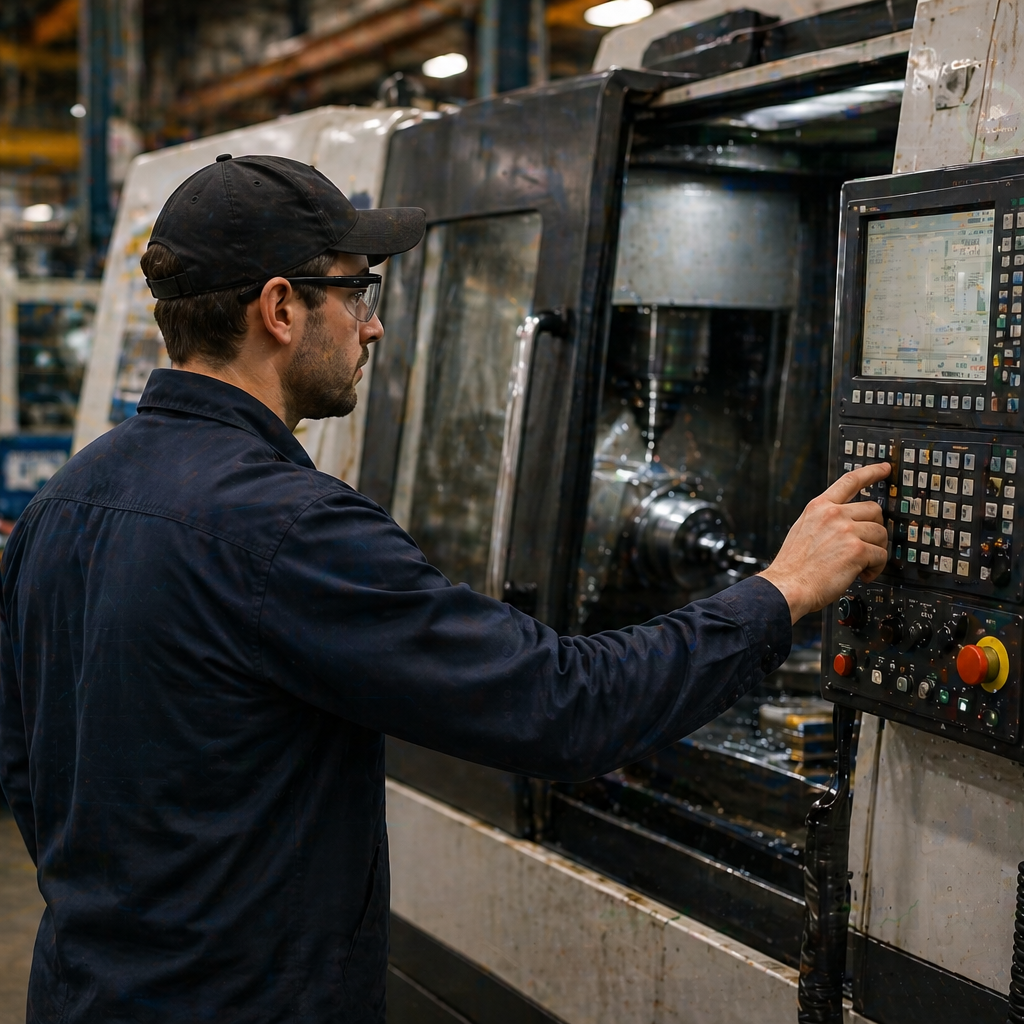
For small and mid-sized discrete manufacturers, growth doesn’t come from adding more systems. It comes from connecting them into a single, unified source of truth. Modern manufacturing ERP software like Global Shop Solutions brings together every core business function, from initial quote through production and final payment, in one system.
This guide breaks down the 10 essential ERP modules every SMB manufacturer needs, while also explaining how each module contributes to operational efficiency, data accuracy and better decision-making across scheduling, quality, CRM-to-cash workflows and financial performance.
Why Manufacturing-Specific ERP Matters
Unlike generic ERP systems, discrete manufacturing ERP platforms are specifically designed to manage the realities of production environments, including multi-level bills of materials, dynamic shop floor execution, complex routing and detailed job costing.
With a fully integrated ERP system, SMB manufacturers can schedule based on actual capacity instead of estimates, track every material and process in real time, connect sales directly to production and eliminate redundant manual data entry. Global Shop Solutions supports this approach with more than 35 integrated applications operating on a single database, ensuring every department works from the same accurate information.
Meet the 10 required ERP applications to take you from good to great.
1. Production Scheduling and Planning
Production scheduling and planning is the core engine of a manufacturing operation. It determines how and when work moves through the facility by aligning machine capacity, labor availability and material readiness with customer demand.
In advanced manufacturing ERP software, scheduling is not static. It is continuously updated using live inputs from the shop floor, inventory levels and order changes. This allows manufacturers to move from reactive scheduling to dynamic, constraint-based planning.
Key features include:
- Finite and infinite scheduling
- Capacity planning
- Work order prioritization
- Bottleneck identification
When fully integrated, this module improves on-time delivery, reduces lead times and increases throughput while providing visibility into constraints.
2. Inventory and Materials Management
Inventory and materials management provides real-time visibility into the flow of materials across the entire operation, including raw materials, work-in-progress and finished goods.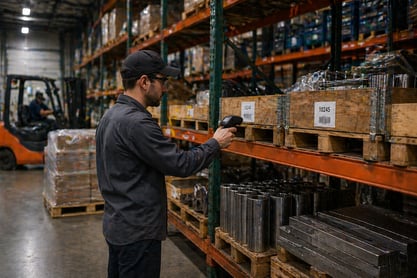
In discrete manufacturing, inventory accuracy directly impacts production efficiency. ERP-driven inventory management synchronizes material availability with production schedules and purchasing activities, helping prevent stockouts, excess inventory and delays.
Key features include:
- MRP, lot and serial traceability
- Warehouse tracking
- Automated replenishment
3. Shop Floor Control and Data Collection
Shop floor control connects physical production activity with digital systems by capturing real-time data directly from operators and machines. This transforms the shop floor into a data-driven environment where labor hours, machine performance, job progress and downtime are tracked as they occur.
Instead of relying on delayed or manual reporting, manufacturers gain immediate insight into production performance. For SMB manufacturers, this level of visibility is essential for improving productivity and identifying inefficiencies.
Key features include:
- Labor tracking
- Machine monitoring
- Job status updates
- Scrap and downtime reporting
4. Quality Management and Compliance
Quality management ensures that products meet both internal standards and external regulatory requirements while minimizing defects and rework.
In an integrated ERP system, quality is embedded throughout the production process rather than treated as a separate function. Inspection plans can be tied directly to work orders, and non-conformance events can be linked to specific jobs, materials or suppliers.
Key features include:
- Inspection management
- Non-conformance tracking
- CAPA workflows
- Audit traceability
This integration helps reduce scrap, improve consistency and ensure compliance.
5. Engineering and Bill of Materials
Engineering and BOM management define the structure and specifications of the products being manufactured. This module manages multi-level bills of materials, routing steps and engineering changes to ensure production always uses the most current design information.
In a unified ERP system, updates to the BOM automatically propagate to purchasing, scheduling and costing. This reduces errors, shortens product development cycles and improves collaboration between engineering and operations.
Key features include:
- Multi-level BOMs
- ECO management
- Product configuration
- Cost roll-ups
6. Purchasing and Supply Chain Management
Purchasing and supply chain management ensure that materials are sourced efficiently and delivered on time to support production. This module manages supplier relationships, purchase orders, lead times and receiving processes.
In a fully integrated ERP system, purchasing decisions are driven by real-time demand signals from inventory and production schedules. Supplier performance tracking allows manufacturers to evaluate vendors based on quality, cost and delivery reliability.
Key features include:
- Purchase order management
- Supplier tracking
- Lead time analysis
- Receiving inspection
Integration ensures that procurement aligns with operational needs, preventing delays and reducing excess inventory.
7. CRM and Sales Order Management
CRM and sales order management connect customer-facing activities with operational execution, managing the process from lead generation and quoting to order entry and customer communication.
In an ERP with CRM integration, sales data flows directly into production and fulfillment processes, eliminating the need for re-entering data and reducing errors. This also provides visibility into order status, improving communication with customers.
Key features include:
- Lead tracking
- Quoting
- Sales order management
- Customer communication tools
8. Costing and Job Tracking
Costing and job tracking provide detailed insight into the financial performance of manufacturing operations by tracking the actual cost of production and comparing it to estimates or standards.
Key features include:
- Job costing
- Variance analysis
- Work-in-progress tracking
- Profitability reporting
This helps manufacturers understand true costs, improve pricing decisions and maintain margin control.
9. Accounting and Finance Modules
Accounting and finance modules provide the financial backbone of the organization, integrating directly with operational data. Financial transactions are automatically generated from activities such as purchasing, production and shipping, eliminating manual reconciliation.
Real-time financial reporting allows leaders to monitor cash flow, profitability and performance without waiting for month-end close, while supporting better forecasting and planning.
Key features include:
- General ledger
- Accounts payable and receivable
- Cash flow management
- Financial reporting
10. Reporting, Dashboards and Business Intelligence
Reporting and business intelligence provide visibility into every aspect of the business by transforming data into actionable insights.
With all modules operating on a single database, reports and dashboards reflect real-time conditions across operations, finance and sales. This enables faster, more informed decision-making at both the executive and operational levels.
Key features include:
- KPI Dashboards
- Custom reporting
- Forecasting tools
- Executive insights
How These Modules Work Together
The true value of manufacturing ERP software lies in integration. Each module contributes to a continuous flow of information across the organization.
Production scheduling uses real-time inputs from inventory and the shop floor to create accurate plans. Quality management links defects to specific jobs and suppliers, enabling root cause analysis. CRM-to-cash workflows ensure that customer orders flow seamlessly into production and invoicing, while financial modules capture every transaction in real time.
Choosing the Right ERP for Small Manufacturing Businesses
When evaluating ERP for small manufacturing businesses, it is critical to choose a system designed specifically for manufacturing environments.
Key considerations include:
- A single, fully integrated platform
- Real-time data visibility
- Scalability for future growth
- Strong implementation support
Global Shop Solutions delivers these capabilities through a single-system ERP that integrates scheduling, inventory, CRM, quality and accounting into one cohesive solution.
Final Thoughts
For SMB manufacturers, implementing the right ERP modules is not just about improving efficiency. It is about gaining complete control over operations and building a foundation for sustainable growth.
A fully integrated discrete manufacturing ERP enables better decision-making, improved quality, stronger financial performance and the ability to scale with confidence. As manufacturing becomes more complex and competitive, investing in the right manufacturing ERP software is one of the most important decisions a business can make.