Archive for January, 2008

Lean Metrics in Manufacturing

Monday, January 28th, 2008

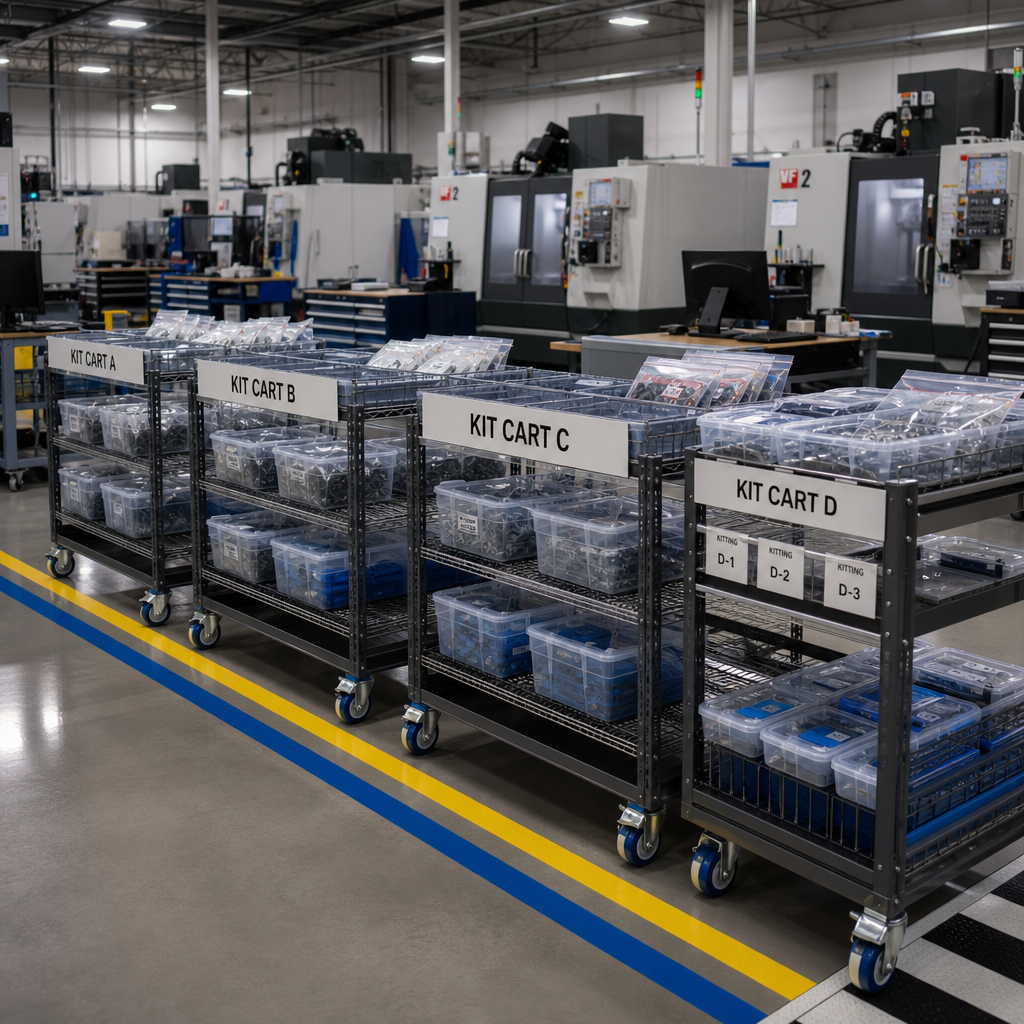
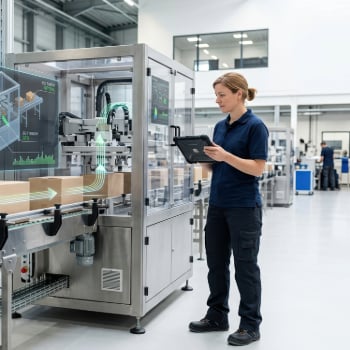
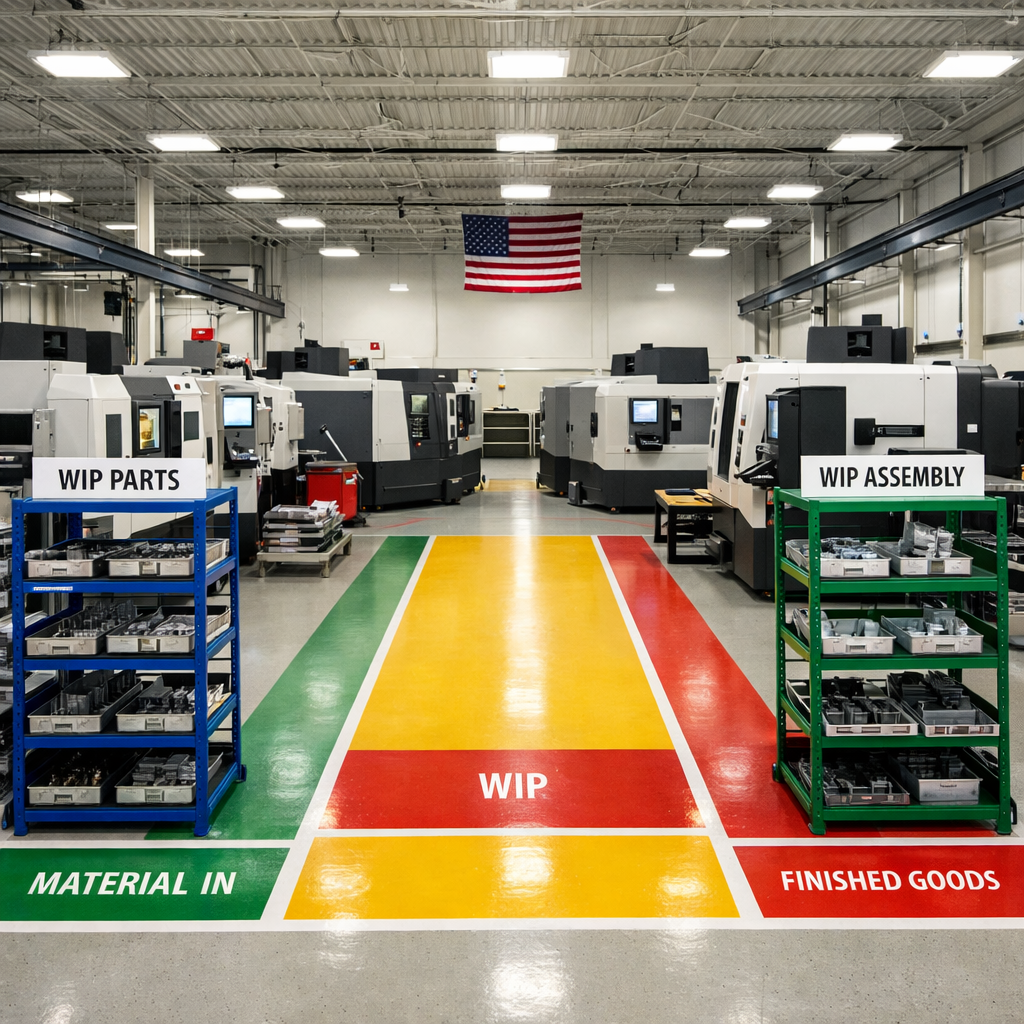
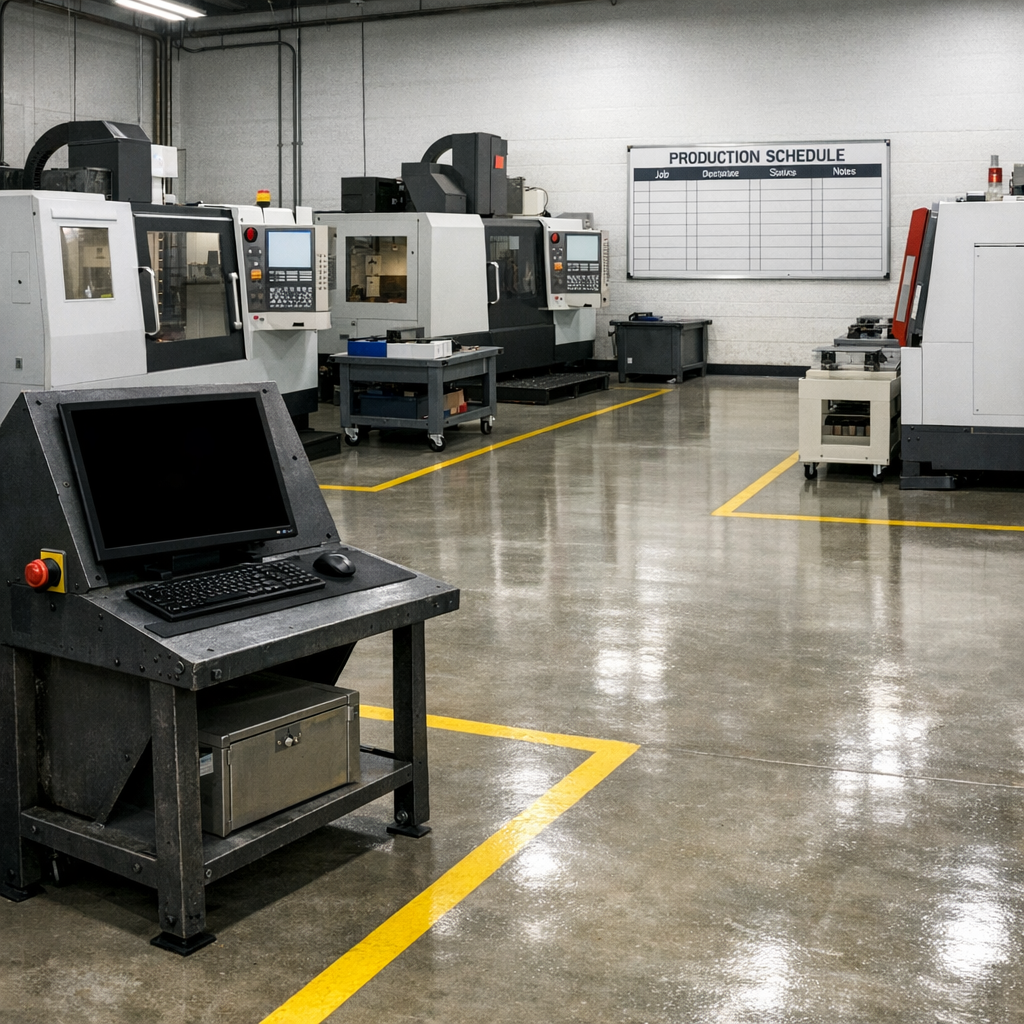
It seems to often be the case that as your manufacturing operation grows, the measurement of the efficiency of your performance becomes ever harder. When sales orders go up work in progress (WIP) increases, when inventory builds turnaround diminishes—all to the detriment of grasping how efficient or profitable each process is. To a certain degree, enterprise resource planning software (ERP) has helped in providing a continuous status assessment via the input of real time data from all operation aspects. ERP software, for this reason, is a valuable tool for the continuous improvement necessary for the modern lean manufacturer.

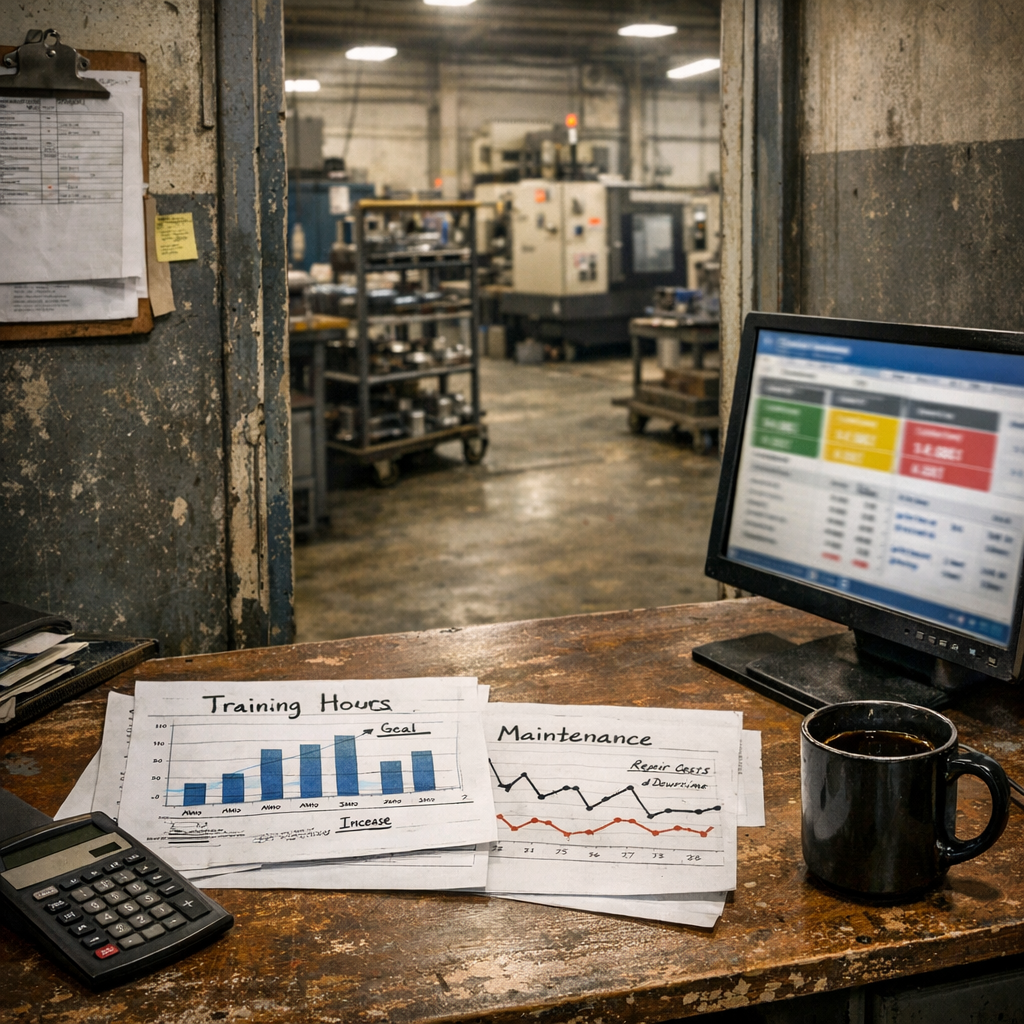
However, some assessment of financial, behavioral, and core process performances should be made on an on-going basis to provide mutually supporting testimony to the total continuous improvement ERP efforts of the company. For this reason, lean metrics have been established to allow a company to measure, evaluate, and respond to their performance in such a way that it does not sacrifice quality to satisfy quantity objectives, or increase inventory levels to achieve machine efficiencies. Often, these metrics are a means to discover (more…)

Tracking Software in the Manufacturing Environment

Monday, January 21st, 2008

From the production of the smallest nut, to the development of massive rigging assemblies, all items and processes that go into the making of the part, piece, or assembly must be accounted for. Without this knowledge, margins are lost and profitability is a function of guesswork. In the past, the accounting of manpower, material, and machinery was the result of painstaking, though often erroneous, handwritten data in the form of charts and reports. The collection of this data would take days to complete and weeks to assess. In the age of massive batch (make-to-stock) inventory production, blunders in data tallies or the absence of complete information had only a rippling effect on what was largely the quantitative appreciation of manufacturing in the Industrial Revolution.

Today, however, with make-to-order and the job shop manufacturing environments, specialized and small batch production means more emphasis must be placed on margins—today, it is often quality over quantity. Quality control, in fact, is the name of the manufacturing game. For this reason, labor and resources must (more…)

Inventory Management in ERP

Monday, January 14th, 2008

With the advancement of enterprise resource planning (ERP) in manufacturing, the turn was made by software developers to build a better way of maintaining inventory. In the past, inventory control was less “control” and more “guessing” as a result of delays in data entry. Before coordination through ERP methods, inventory clerks were ensconced in a paper-based systems that depended very much upon the completion and filing of paper-based inventory forms. Inventory dispositions were often not completely known for 24 hours or so—if ever.

When poor inventory control is combined with poor management in other aspects of manufacturing (selling, purchasing, scheduling, production, shipping, etc.), the results can be disastrous. Indeed, for any defined trading period, it is vital that (more…)

Making ERP Implementation Work

Monday, January 7th, 2008

The whole point of acquiring an ERP software system for your manufacturing operation is to improve productivity. Indeed, the whole reason for managing a manufacturing operation is to improve productivity wherever and whenever it can be improved. To this end, we expect the acquisition of an ERP software system to provide a continuous savings that results in a high ROI. In short: An ERP software system should not only do what its designed to do (plan the resources of an enterprise), but should do so at effective cost of ownership. Otherwise, what’s the point?

To ensure satisfying the ultimate ROI goals of ERP acquisition, manufacturers must understand that bringing any ERP system into their operation requires that every employee be invested in the success of the system. This investment is a result of what is called the implementation of the system throughout the operation. From the front office to the shop floor, from the president to the shipping packers, for an ERP system to work it must (more…)